
SBTi Corporate Net-Zero Standard Version 2.0
by Jovontae Catline , Caroline Dolan, Joe Sarvary, Liz Whinnett
View post
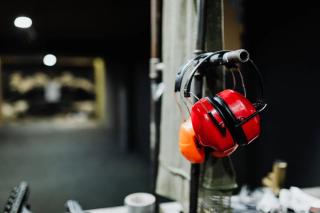
Noise-induced hearing loss remains one of the most preventable occupational health issues in UK workplaces. However, Steel's (2026) review of noise survey reports for the Health and Safety Executive (HSE) found that many consultancy reports contained significant shortcomings, raising concerns that organisations may not be receiving the quality of assessment required to effectively manage noise risks.
In many cases, the reports fall short of the standard needed to effectively support compliance with the Control of Noise at Work Regulations 2005 and may therefore fail to provide meaningful protection for workers.
This article provides an overview of key findings in HSE’s research, exploring the fundamental quality gap in many assessments and what a first-rate assessment should include.
The HSE’s recent research reviewed a large sample of third‑party noise at work assessment reports and found that:
This aligns closely with the concerns raised in the UK Hearing Conservation Association’s (UKHCA) buyer’s guide, which emphasises the need for transparent qualifications, professional membership, and demonstrable competence.
HSE’s research highlighted several technical shortcomings commonly seen in inadequate assessments:
1. Weak measurement methodology: Many poor‑quality reports showed incorrect or unclear measurement positions, little to no reference of recognised measurement standards, and poor description of measurement durations. These issues undermine the reliability of exposure calculations (e.g., LEP,d), which the HSE emphasises as essential for compliance.
2. Poor control recommendations: Many reports failed to provide prioritised noise‑control options, evidence‑based, reasonably practicable recommendations, and clear advice on maintenance, training, or health surveillance. This is notable, because HSE guidance stresses that a noise assessment must provide actionable, prioritised information – not just numbers.
3. Incorrect or missing hearing protection advice: The review found widespread problems, including incorrect selection or performance calculations, lack of guidance on fit and wear, and inconsistency around over‑protection and audibility.
The HSE’s own guidance makes a clear distinction between Adequate (minimum legal requirement), more than adequate, and first‑rate (showing high competence and experience). Many noise at work assessments sit only at the ’adequate’ end, and in lots of cases, do not even meet these criteria. A ’first‑rate’ noise at work assessment, on the other hand, includes:
Collectively, these elements provide employers with the information needed to prioritise controls, allocate resources effectively, and demonstrate compliance.
This difference between adequate and first-rate assessment directly affects an employer’s ability to act, improve safety, and stay compliant. This matters more than ever, as HSE's 2026–2027 work plan includes inspections in the food and drink, waste and recycling, and rubber and plastics sectors (Steel, 2026, slide 47). With enforcement increasing, many organisations will soon find that a ‘tick-box’ noise assessment simply isn’t enough.
At SLR, we strive to deliver noise at work assessments that align with the characteristics HSE and UKHCA associate with ‘more than adequate’ and ‘first-rate’ practice.
For clients, this means noise at work assessments that offer:
This approach is not about producing thicker reports; it’s about producing useful reports. Because noise at work assessments is not an administrative exercise, they’re the starting point for reducing risk and preventing life-changing harm.
The gap between a legally adequate noise at work assessments and a genuinely useful one is much wider than many realise. The latest HSE findings highlight the need for higher standards, better competence, and more practical guidance across the industry.
SLR’s goal is to give clients clarity, compliance, and confidence through assessments that don’t just meet requirements but genuinely support safer workplaces.
If you’d like to understand what a first-rate noise at work assessment looks like, or how to evaluate the quality of your current reports, please get in touch with our team.
Contact us
by Jovontae Catline , Caroline Dolan, Joe Sarvary, Liz Whinnett

by James Balik-Meacher, Sophia Davison, Miguel Oyarbide
by Selina Roman-White, Valeria Alvarado Tejeda, Madison Edson, James Van Horne, Craig Bock, Matthew Mitchell