
SBTi Corporate Net-Zero Standard Version 2.0
by Jovontae Catline , Caroline Dolan, Joe Sarvary, Liz Whinnett
View post
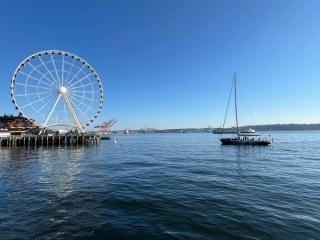
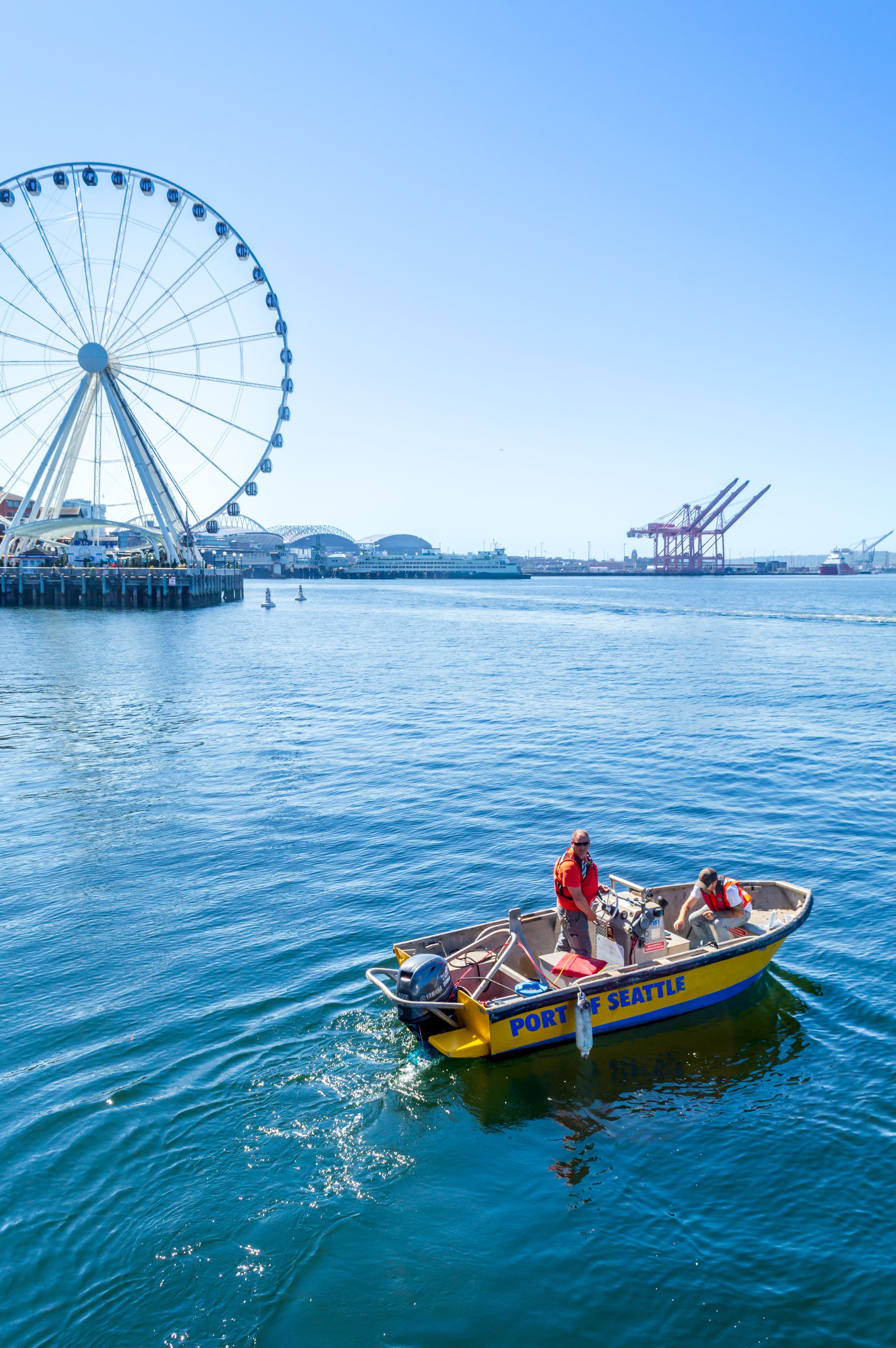
As maritime activity increases, so does the need to understand its impact on marine ecosystems – including the effects of underwater noise, which can disrupt marine life that rely on sound for communication, navigation, and feeding. In response, the Port of Seattle has launched a proactive initiative to better monitor and manage underwater noise in Elliott Bay for two consecutive years. To help deliver this work, SLR has been retained to lead the underwater noise assessment program – a multi-phase project designed to establish a baseline of ambient underwater sound, evaluating the effects of port operations, and informing future noise reduction strategies. By assessing the acoustic environment of Elliott Bay, the Port is taking a meaningful step toward environmental stewardship and sustainable maritime operations.
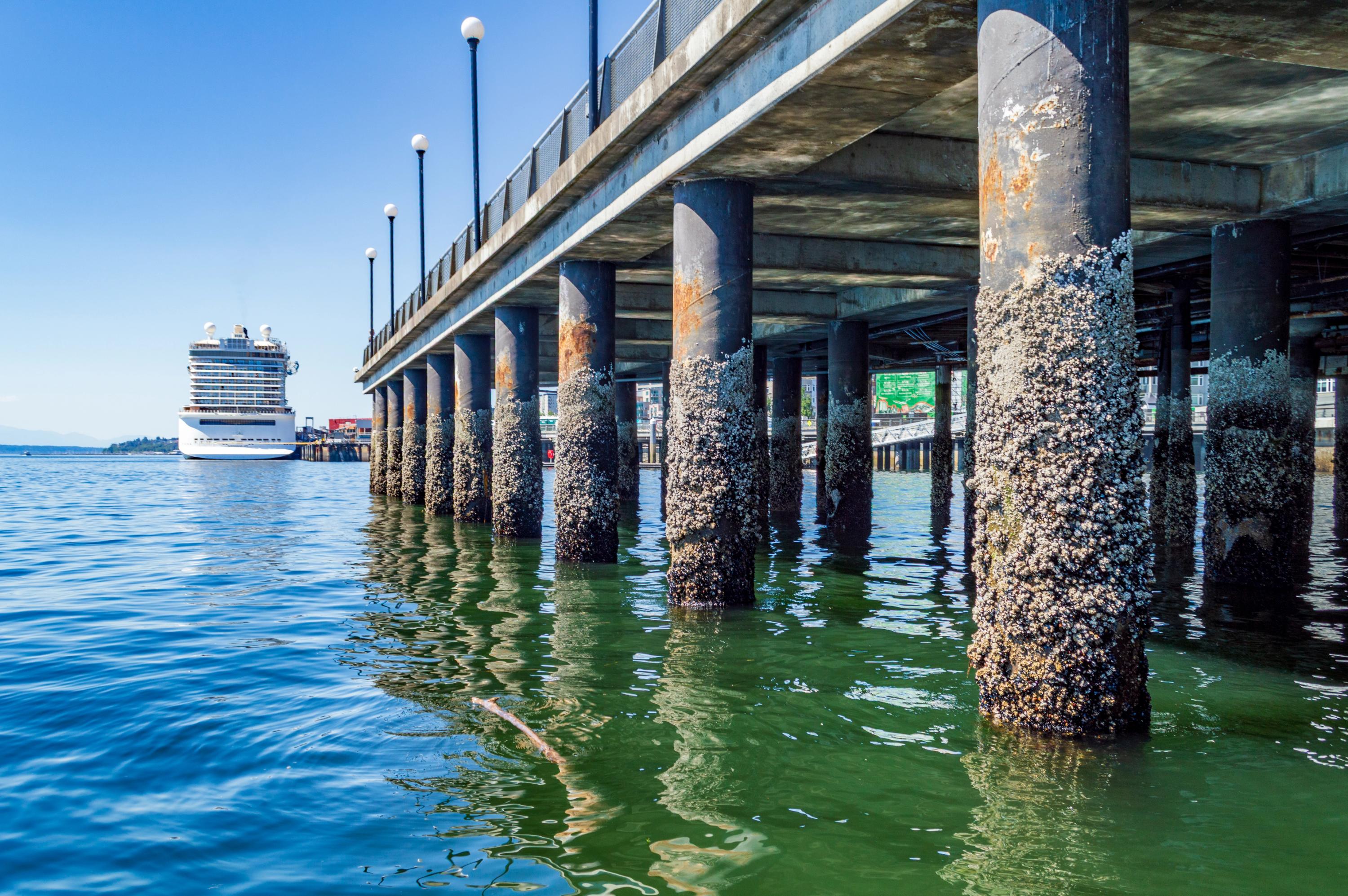
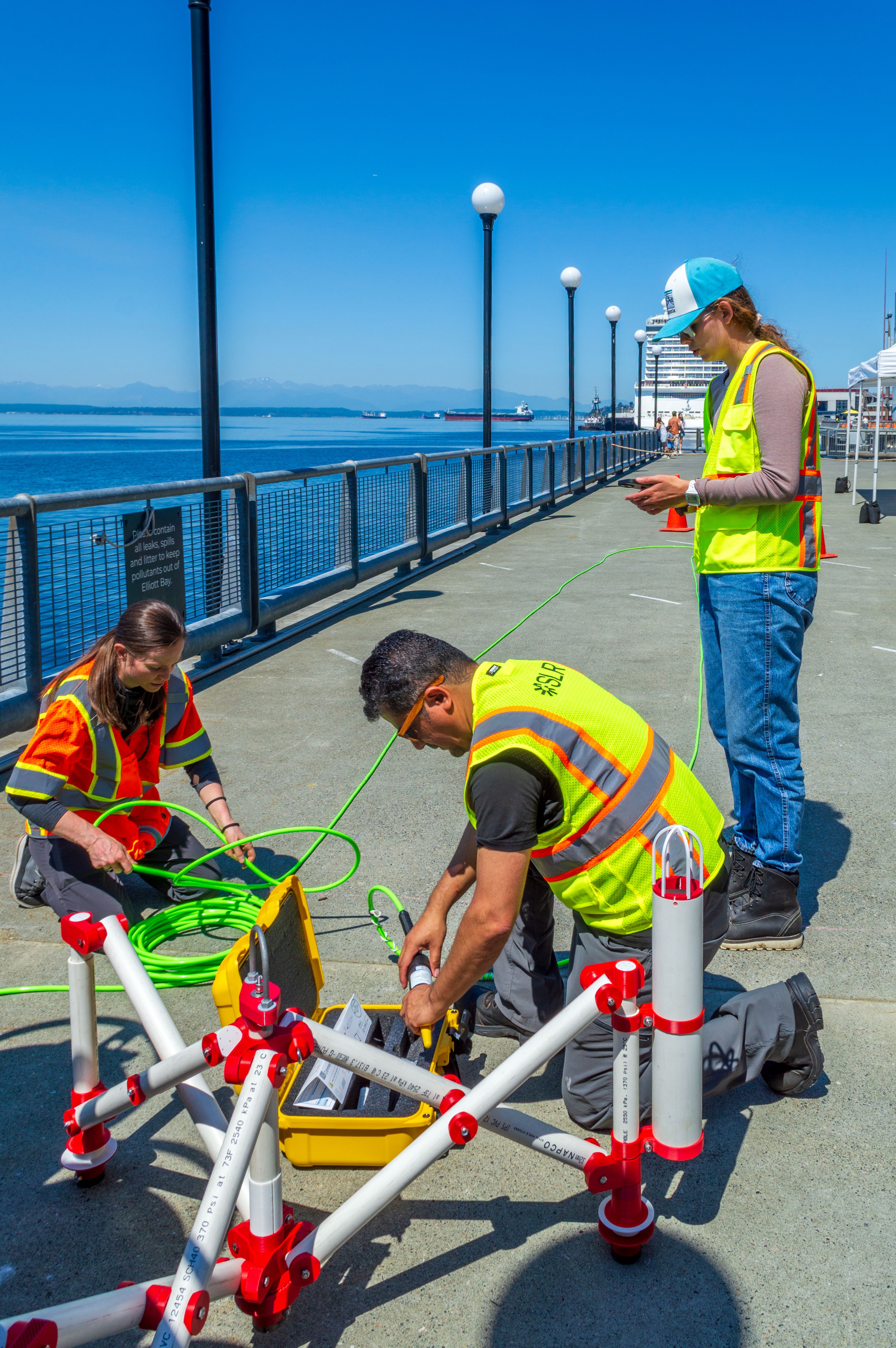
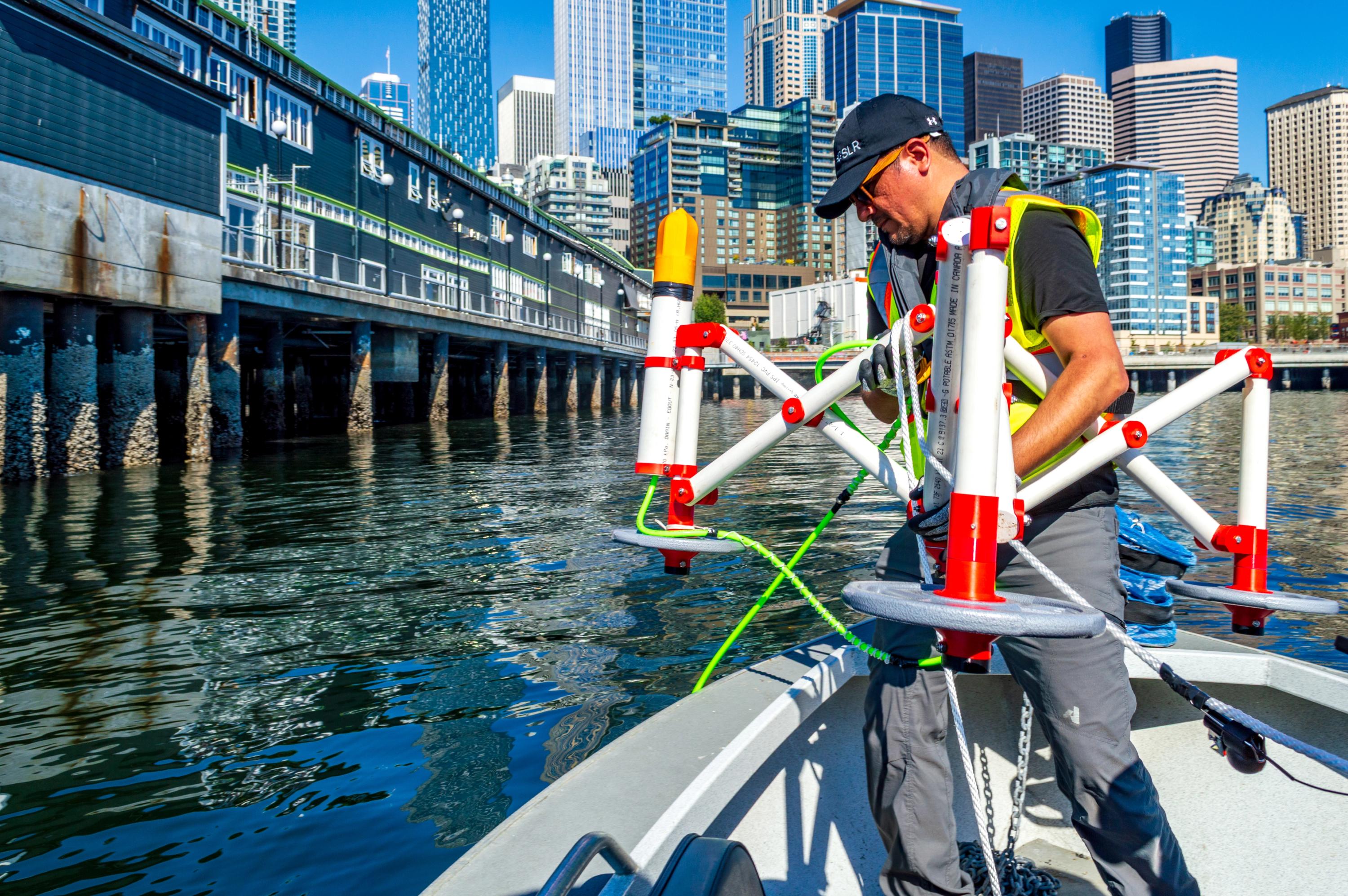
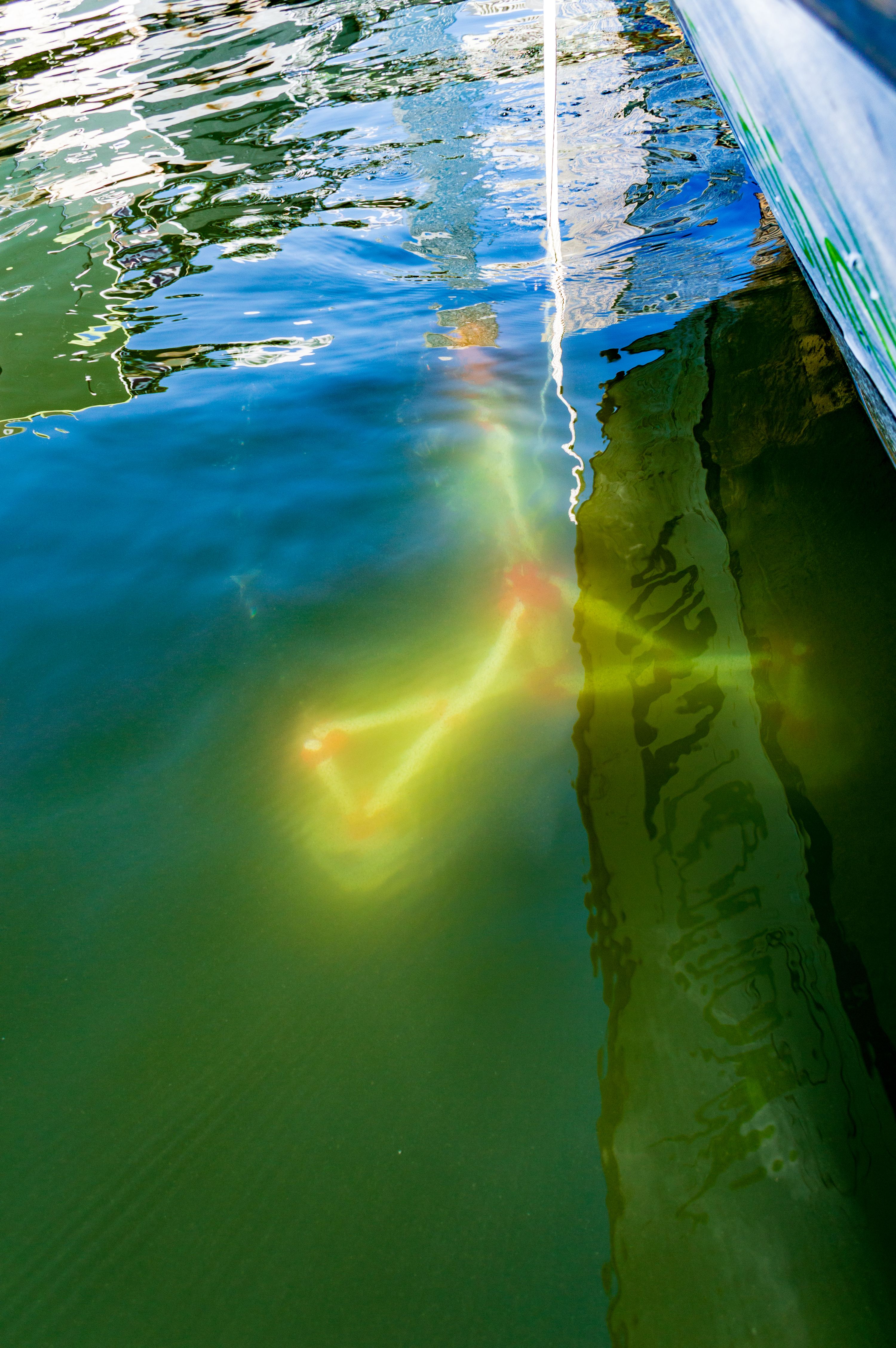
The program involves deploying hydrophone systems – underwater microphones – at strategically selected locations to capture broad acoustic coverage across Elliot Bay. These systems continuously record underwater sound, providing valuable data for analysis and long-term monitoring. Jack Block Park View Pier and the Seattle Aquarium Pier were chosen as the primary deployment locations, with site visits conducted in September 2024 to finalize logistics and ensure optimal placement of equipment. Final deployment took place in July 2025 with successful recordings from day one.
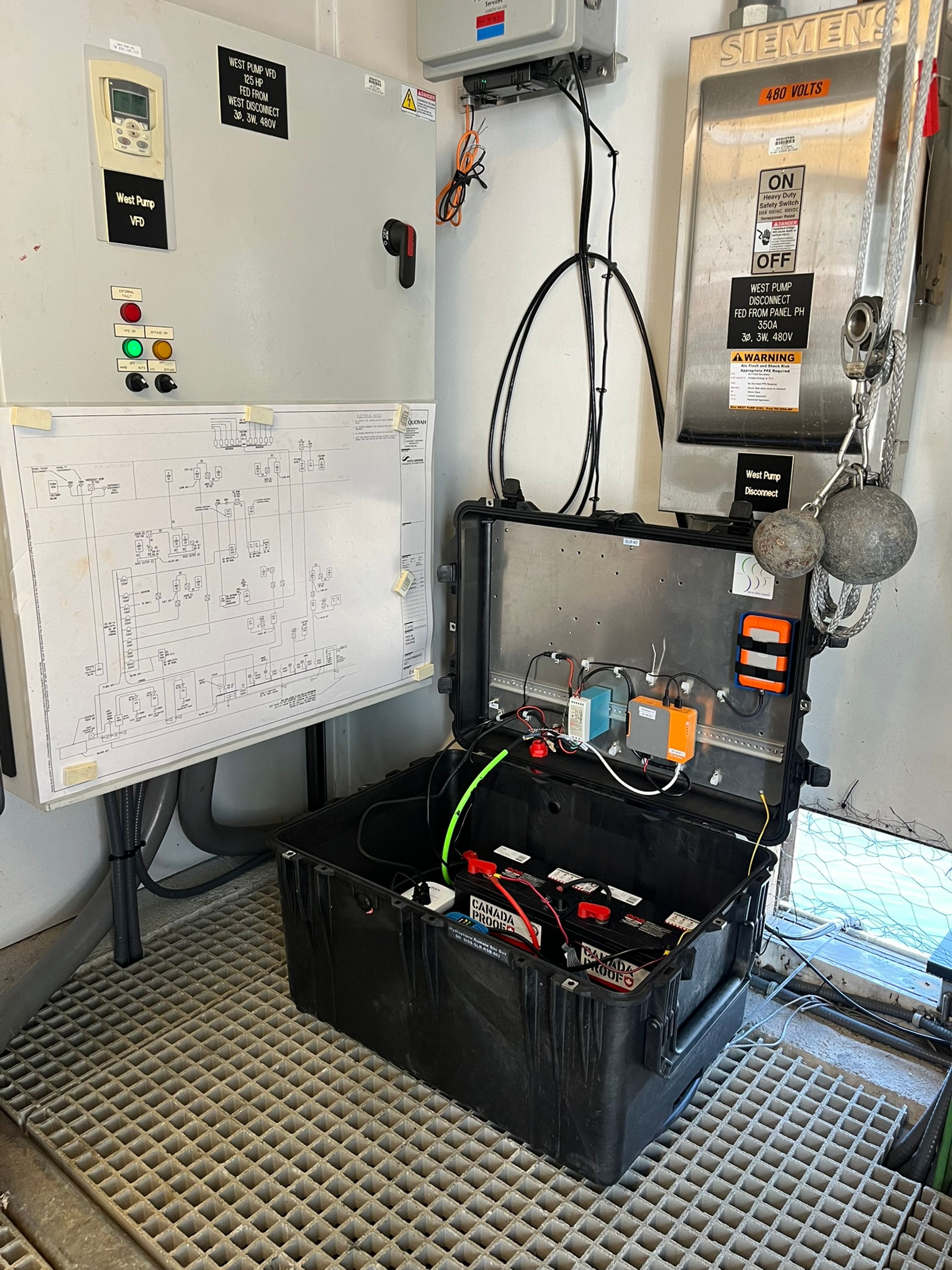
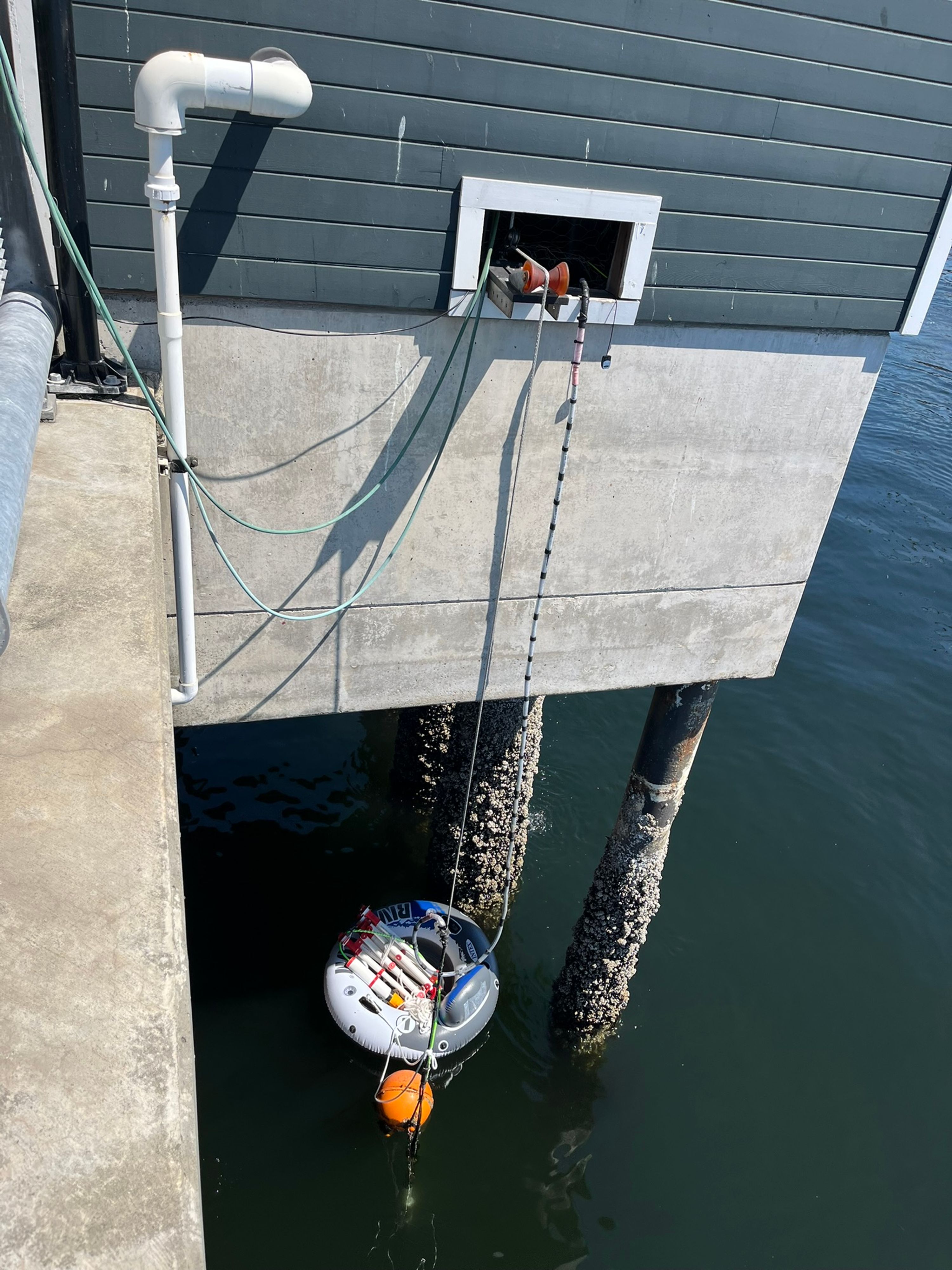
At each site the equipment is stored in a heavy-duty Pelican 1660 case, containing power, communications, and data storage systems. The hydrophones are mounted on collapsible tripods and connected to the shore using underwater Ethernet cables ranging up to 330 feet (~100 m) in length. By using these cabled-to-shore systems, the need for vessel maintenance visits is reduced, minimizing environmental impact. The devices also have a small footprint and are mounted to existing infrastructure, helping to avoid disturbance to sensitive wetlands.
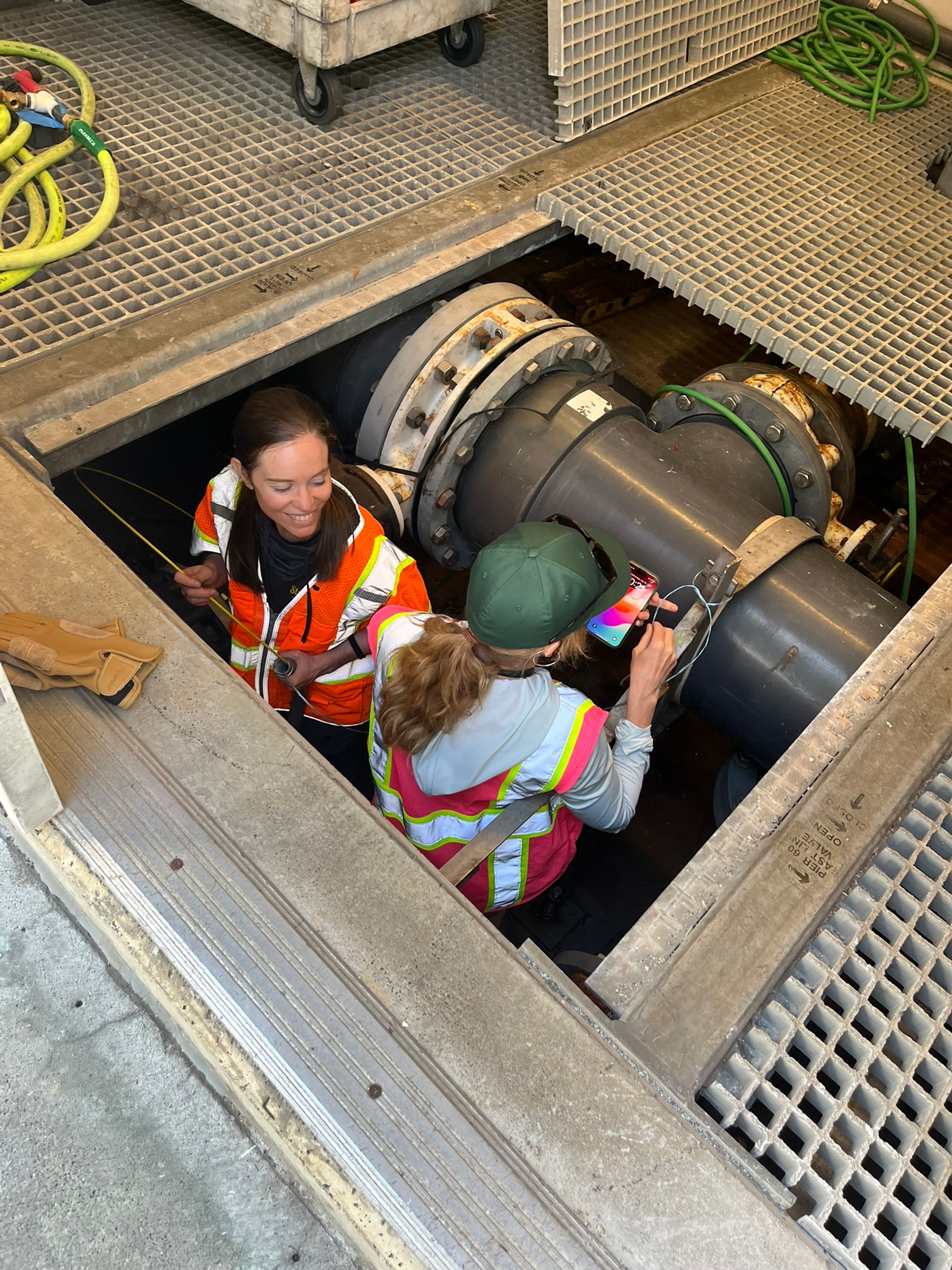
Both locations required preparation of the shore stations and deployment of hydrophones in waters approximately 65 feet (~20 m) deep. At the Seattle Aquarium site, this included setup at the pumping station, while the Jack Block Park site involved working around old railway infrastructure. Careful planning and collaboration among stakeholders ensured the deployment was carried out smoothly and successfully.
This initial phase has provided valuable insights into the logistics of underwater acoustic monitoring in an urban port environment. It has highlighted the importance of site-specific planning, the benefits of using existing infrastructure to reduce environmental disturbance, and the value of secure, low-maintenance systems that can operate reliably with minimal human intervention. The Underwater Noise Assessment Program is more than a technical exercise; it’s a testament to the Port of Seattle’s dedication to balancing economic activity with ecological responsibility. By listening beneath the waves, the Port is supporting a healthier future for Elliott Bay and its marine inhabitants.
by Jovontae Catline , Caroline Dolan, Joe Sarvary, Liz Whinnett
by James Balik-Meacher, Sophia Davison, Miguel Oyarbide

by Selina Roman-White, Valeria Alvarado Tejeda, Madison Edson, James Van Horne, Craig Bock, Matthew Mitchell